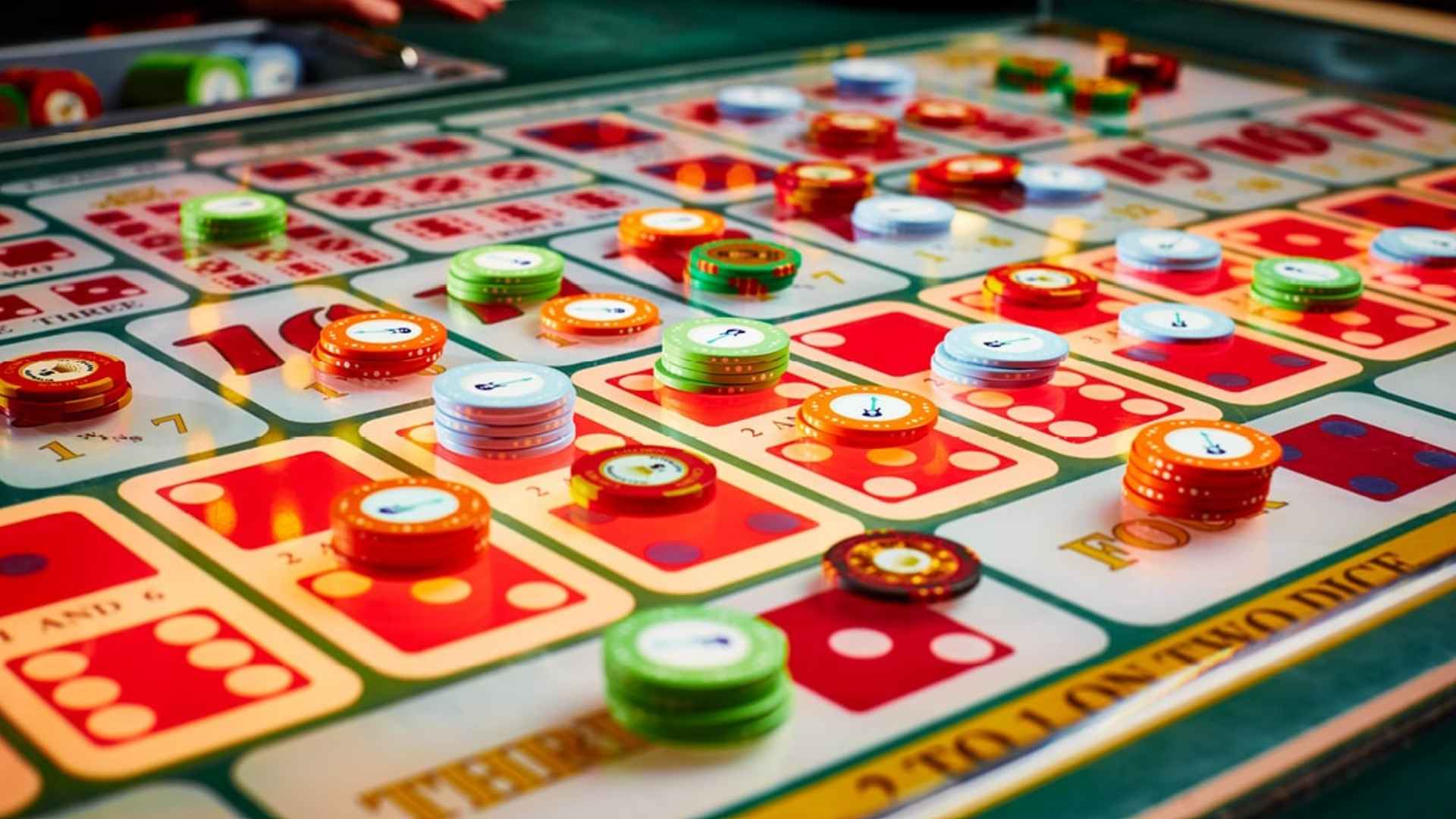
Tabletop gaming has long transcended the realm of simple luck and quick entertainment to become a true arena for intellectual growth. Engaging in games that require players to project their decisions several moves ahead can profoundly shape how we approach complex, real-world problems. By shifting the focus from immediate rewards to long-term gains, these activities help players cultivate patience and foster deep analytical thinking.
The Foundations of Strategic Foresight
Many classic board games serve as exceptional laboratories for learning how to manage resources over extended periods. Unlike games that rely on the roll of a die, strategy-focused tabletop options require players to build a sustainable foundation early in the match. This process teaches the valuable lesson that sacrificing small, immediate advantages can often secure a decisive victory in the later stages of play.
Furthermore, players must learn to read their opponents and anticipate multiple potential outcomes simultaneously. This constant mental calculation helps develop cognitive flexibility, allowing individuals to adapt their plans when unexpected obstacles arise. Over time, practicing these skills on a physical board translates into better decision-making habits in professional and personal environments.
Balancing Tactical Decisions and Long-Term Goals
The true challenge of strategic gaming lies in the delicate balance between short-term survival and ultimate victory. Players must constantly evaluate whether an immediate move aligns with their broader, overarching objective or if it merely serves as a temporary distraction. Navigating these choices successfully builds a structured mental discipline that is highly useful for managing complex projects.
Developing these strategic habits often requires consistent practice in environments that challenge your analytical limits. For those looking to explore tactical setups and test their competitive planning skills in diverse formats, accessing platforms like the M88 Msports Login offers a great way to engage with structured systems. Finding the right balance between caution and calculated risk is key to mastering any complex competitive layout.
Cultivating Patience and Emotional Control
Another profound benefit of deep strategy games is the emphasis they place on emotional regulation and patient execution. Success in these games is rarely instantaneous, often requiring hours of methodical setup before a plan comes to fruition. Players must learn to remain calm under pressure, especially when opponents attempt to disrupt their long-term designs.
This disciplined approach helps minimize impulsive choices, which are often the primary cause of strategic failure. By encouraging players to slow down and weigh every option, tabletop gaming fosters a mindful attitude toward risk management. Ultimately, the ability to maintain focus on a distant goal is one of the most valuable cognitive tools a person can develop.